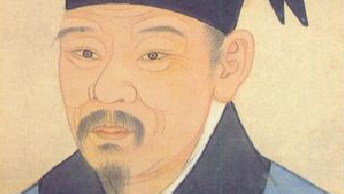
Su Zhe
Introduction
Su Zhe (1039–1112) was a Chinese poet, essayist, and scholar of the Northern Song Dynasty (960–1127). He is known for his literary contributions and is considered one of the "Three Sus," alongside his father, Su Xun, and elder brother, Su Shi. The trio is also included among the "Eight Great Prose Masters of the Tang and Song Dynasties," a designation that reflects their influence on Chinese literature. Su Zhe's works, including poems, prose, and essays, offer insights into the intellectual and cultural landscape of his era. His writings continue to be studied by scholars and enthusiasts of classical Chinese literature.
Early Life
Su Zhe was born in 1039 in Meishan, Sichuan province, into a family with a strong literary background. His father, Su Xun, was a writer and thinker, and his elder brother, Su Shi, became a prominent poet. Su Zhe's upbringing included rigorous education and intellectual stimulation, influenced by his mother, Madam Cheng.
Madam Cheng played a significant role in the literary development of her sons. She was an educated woman who fostered literacy and a love for learning in Su Zhe and Su Shi, contributing to their later achievements. The family's residence in Meishan, known as San Su Ci (Three Su Shrine), became a center of intellectual activity and cultural exchange.
Su Zhe's early exposure to classical texts and his family's emphasis on scholarly pursuits nurtured his interest in literature. He demonstrated talent in writing from a young age, gaining recognition for his skills. His formative years were instrumental in preparing him for his career in literature and public service.
Career
Literary Contributions
Su Zhe's literary career was characterized by versatility. He wrote poetry, prose, and essays, exploring themes of nature, philosophy, and human emotions, demonstrating his understanding of the world.
As one of the "Three Sus," Su Zhe contributed to the literary heritage of the Northern Song Dynasty. His writings were regarded for their clarity and intellectual depth. He was skilled in prose, crafting essays that reflected his philosophical insights and moral convictions. His poetry, while often compared to that of his brother Su Shi, holds a place in Chinese literary history.
Su Zhe's literary achievements led to his inclusion among the "Eight Great Talents in Tang and Song Dynasties." This recognition highlights his influence on Chinese literature and his role in shaping the culture of his time.
Political Involvement
In addition to his literary pursuits, Su Zhe was involved in public service, holding various official positions within the government. He demonstrated his administrative abilities and commitment to ethical governance. His political career reflected his integrity and dedication to serving the people.
Su Zhe's writings sometimes reflected his views on governance and social issues. He advocated for policies that promoted justice and fairness, emphasizing the importance of moral principles in public administration. His contributions to political thought were informed by his understanding of Confucian ideals and his concern for the welfare of society.
Despite challenges in political life, Su Zhe remained committed to his principles. His legacy as a scholar-official is noteworthy for his balance of intellectual pursuits with public service.
Legacy
Su Zhe's legacy encompasses his literary achievements, political contributions, and the lasting impact of the "Three Sus." His works continue to be studied and appreciated for their artistic merit and philosophical depth.
The San Su Shrine in Meishan, Sichuan province, stands as a reminder of the family's cultural importance. It has been renovated to preserve its historical features and architectural beauty. The shrine is a destination for visitors interested in the lives and works of Su Zhe, Su Shi, and Su Xun.
Su Zhe's life and works exemplify the intellectual and artistic endeavors of the Northern Song Dynasty. His legacy continues to be recognized by scholars, artists, and readers, ensuring that his contributions to Chinese literature and thought are remembered.








